Prepaid Voucher Flows: Linking Mobile Reel Play to Live Wheel Gaming
Frankie Carter · Jul 27, 2026
Prepaid Voucher Flows: Linking Mobile Reel Play to Live Wheel Gaming
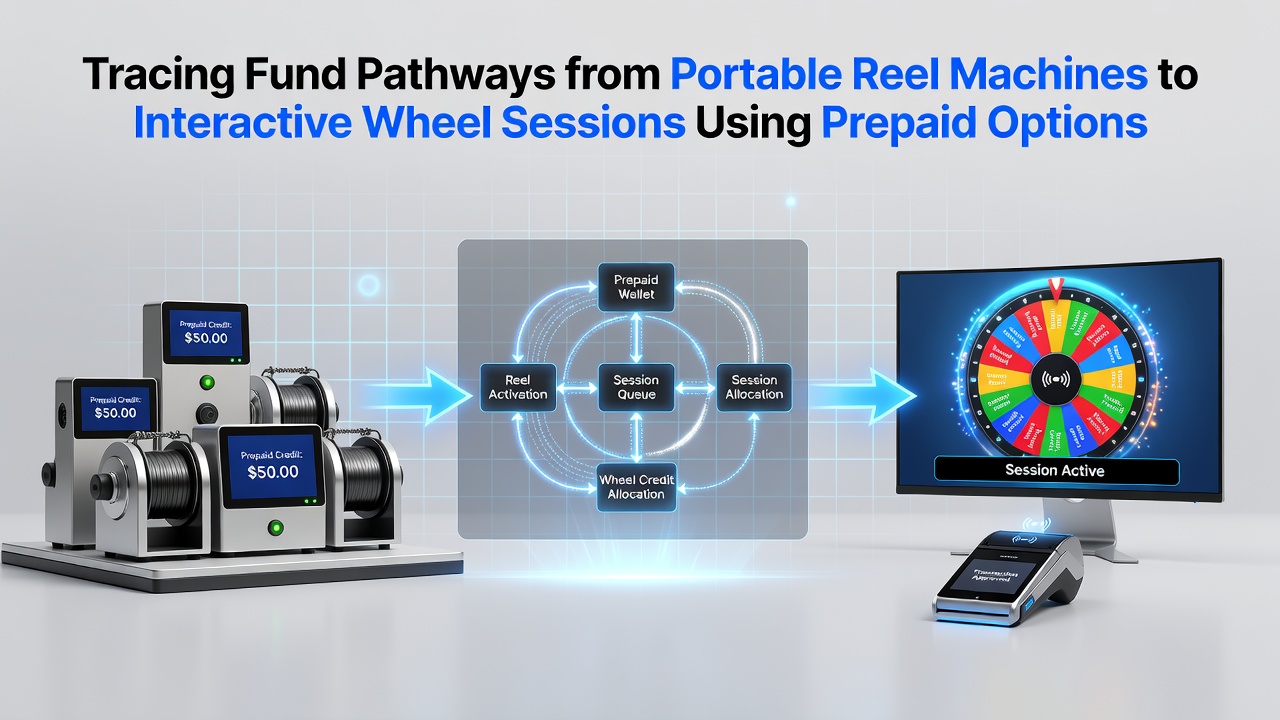
Portable reel machines on smartphones now connect directly to interactive wheel sessions through prepaid voucher systems that handle fund transfers without traditional banking delays. These pathways rely on voucher codes, digital prepaid cards, and instant top-up mechanisms that operators integrate into gaming platforms. Data from the Alcohol and Gaming Commission of Ontario shows prepaid methods accounted for 27 percent of mobile gaming deposits in the first half of 2026, a figure that rose steadily from earlier quarters.
How Portable Reel Machines Handle Initial Deposits
Players load prepaid vouchers onto mobile slot applications by entering a unique code or scanning a QR ticket purchased at retail outlets or online vendors. The funds appear in the reel machine wallet within seconds, allowing immediate spins on titles that feature progressive accumulators. Observers note that this setup eliminates the need for credit card details during each session, which simplifies compliance checks for operators. Studies from the University of Nevada, Las Vegas International Gaming Institute indicate that prepaid voucher usage reduces average transaction times by 40 percent compared with direct bank transfers in mobile environments.
Mechanics of Prepaid Transfers Between Game Types
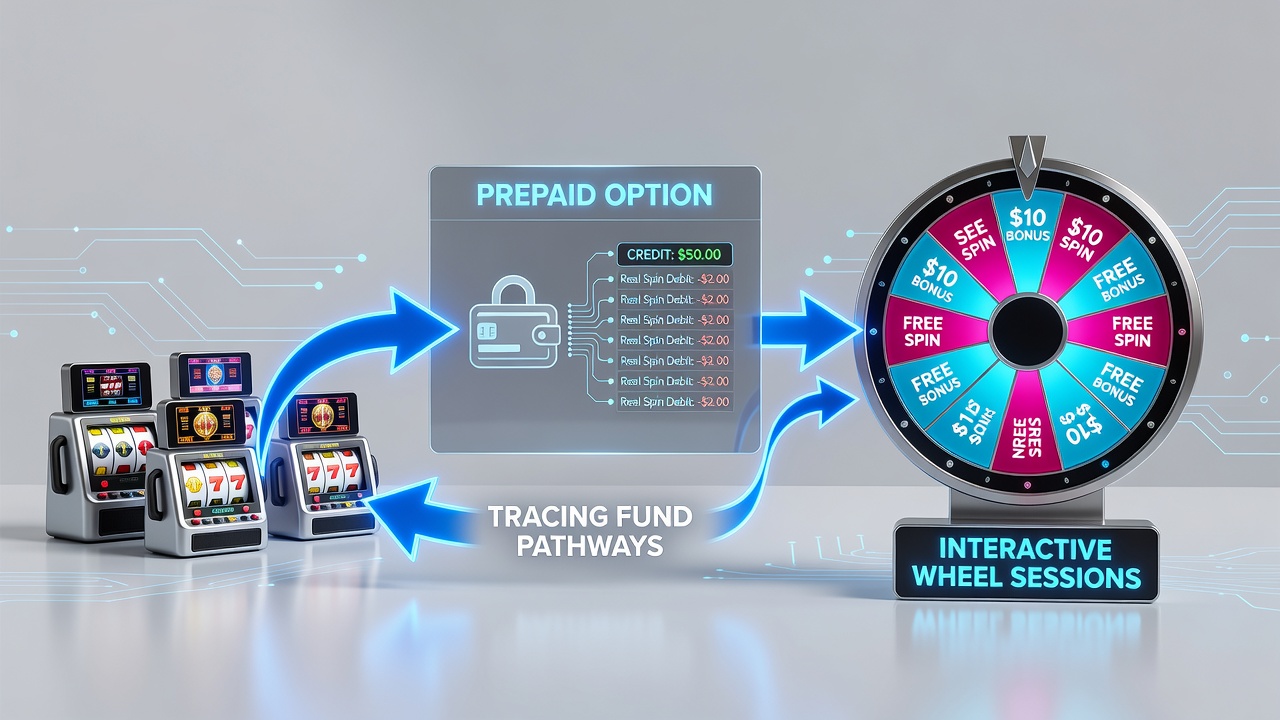
Once credits sit in the reel machine balance, the same voucher wallet can shift portions to live wheel interfaces through in-app routing that operators enable. The process uses encrypted tokens that carry the prepaid value across separate game servers without requiring a second deposit step. Experts have observed that this routing maintains the original voucher balance tracking, so players see a single ledger that updates across both reel and wheel sections. In July 2026 several platforms introduced unified prepaid dashboards that display real-time splits between slot accumulators and roulette bankrolls, reflecting operator efforts to streamline cross-game movement.
Interactive Wheel Sessions and Voucher Integration
Live wheel games such as roulette accept the transferred prepaid credits through the same wallet interface that served the reel machines. Dealers and automated systems register the incoming balance instantly, enabling bets on numbered pockets or outside options. Figures from the Nevada Gaming Control Board reveal that prepaid-linked roulette sessions grew 19 percent year-over-year through mid-2026, driven by mobile users who moved funds from earlier slot play. The integration relies on API connections that flag the voucher origin so regulatory reporting remains accurate across jurisdictions.
Security and Tracking Features in Prepaid Pathways
Each voucher carries a traceable identifier that logs every transfer between reel and wheel environments. Operators maintain audit trails that record the exact timestamp, amount, and game type involved in each move. Those who manage compliance systems report that this level of detail satisfies requirements set by multiple international regulators without additional manual reconciliation. Prepaid systems also cap daily transfer limits between game categories, a measure that prevents rapid cycling of the same funds across multiple sessions.
Regional Variations in Voucher Adoption
North American markets show higher uptake of retail-purchased prepaid cards for mobile gaming, whereas European platforms favor online voucher codes delivered via email or SMS. Australian operators, guided by state-level rules, combine both approaches and report consistent cross-game usage patterns. The Alcohol and Gaming Commission of Ontario data further highlights that prepaid options reduced chargeback rates by 33 percent in mobile roulette compared with credit card deposits during the same 2026 period. These regional differences influence how operators design the routing logic that moves balances from reels to wheels.
Operational Challenges and Solutions
Some platforms encounter latency when voucher systems attempt simultaneous updates across reel and wheel servers during peak hours. Engineers address this by queuing transfers in micro-batches that complete within three seconds, preserving the appearance of seamless movement for players. Research from the UNLV International Gaming Institute notes that these queuing methods maintain 99.4 percent transaction success rates across tested networks. Operators also run periodic reconciliation checks that verify voucher balances match recorded game activity, closing any gaps before monthly reporting deadlines.
Future Developments Expected After July 2026
Industry groups anticipate wider adoption of blockchain-backed prepaid tokens that further shorten the interval between reel machine play and wheel session funding. Pilot programs already test cross-border voucher compatibility, allowing users to carry prepaid value from one licensed market to another without currency conversion steps. Regulators in multiple regions continue to evaluate how these tokens affect responsible gaming controls, particularly around spend limits that apply uniformly to both slot and roulette activity.
Conclusion
Prepaid voucher systems create measurable pathways that move funds from portable reel machines to interactive wheel sessions while preserving transaction records for operators and regulators. The mechanisms rely on integrated wallets, API routing, and daily limits that keep activity transparent. Continued refinement of these tools, especially after July 2026, will shape how mobile players experience cross-game fund movement in regulated markets worldwide.