Portable Payment Pathways Fueling Uninterrupted Accumulations Across Mobile Table Formats
Ben Schmitz · Jul 25, 2026
Portable Payment Pathways Fueling Uninterrupted Accumulations Across Mobile Table Formats
Portable payment pathways now connect slot progressives directly to live dealer tables on mobile devices, allowing players to shift accumulated credits without leaving the app environment. These systems rely on instant transfer protocols that handle both voucher redemptions and digital wallet top-ups in a single flow, keeping bankrolls intact while users switch between formats. Data from North American operators shows transaction times averaging under three seconds for such moves during peak evening hours in 2025.
How Mobile Transfers Maintain Continuous Play Sessions
Operators integrate API-driven gateways that link prepaid vouchers to table game interfaces, so credits earned on progressive slots move straight into blackjack or roulette balances. Players select the destination table, confirm the amount, and the system executes the shift while preserving any active multiplier effects from the originating game. This setup reduces downtime that once interrupted accumulation streaks, particularly when chasing side-bet payouts or progressive triggers.
Key Components of These Pathways
- Real-time ledger synchronization across slot and table modules
- Tokenized voucher codes that convert automatically to table chips
- Cross-format balance displays that update live on a single screen
- Compliance checks embedded at the transfer stage rather than at cash-out
July 2026 marks the scheduled rollout of updated interoperability standards across several Canadian provinces, where regulators require operators to support at least two distinct payment rails for mobile table play. These rules aim to standardize how accumulations travel between game types while maintaining audit trails for each transaction.
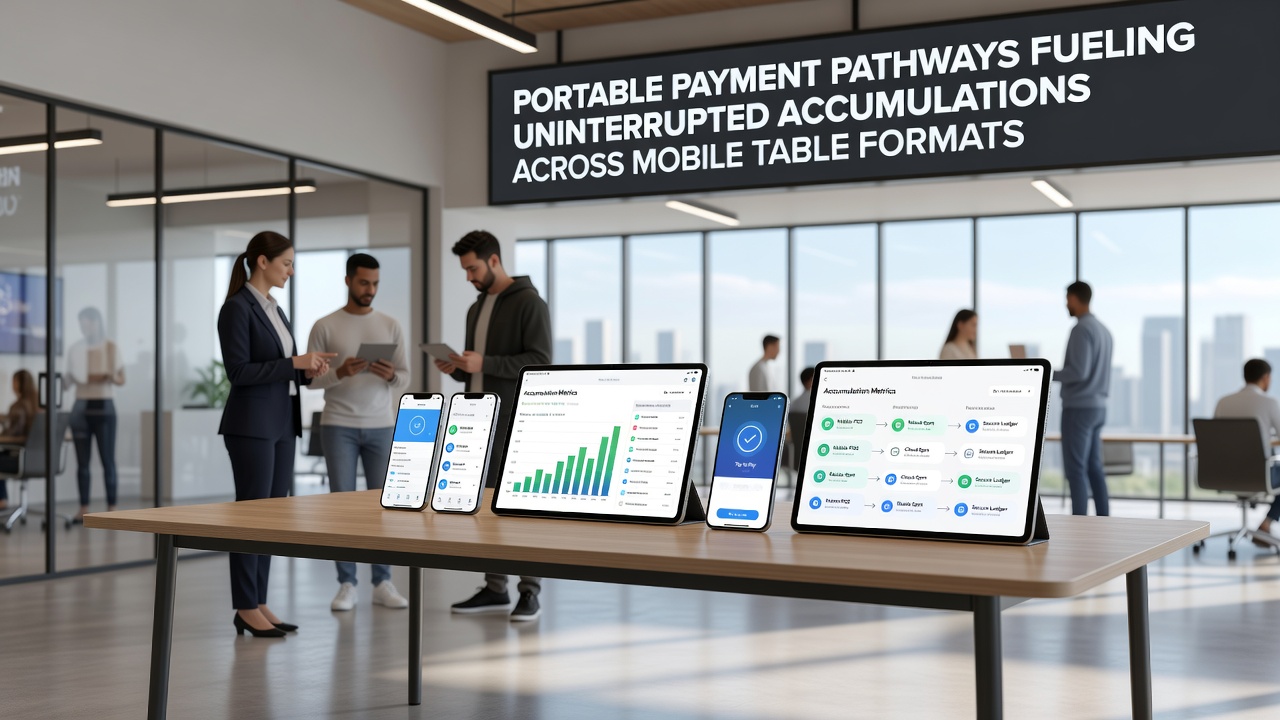
Research conducted by the University of Nevada, Reno’s gaming laboratory tracked over 1.2 million mobile sessions in Q1 2026 and found that players using integrated pathways extended their table time by an average of 14 minutes compared with those relying on separate funding steps. The study attributes this increase to fewer confirmation screens adn automatic balance reconciliation.
Regional Examples of Pathway Implementation
In Ontario, iGaming Ontario reports from early 2026 highlight a 27 percent rise in combined slot-to-table transfers after operators introduced unified wallet features. Similar patterns appear in Australian markets, where the Australian Gambling Research Centre documented smoother fund movements during live roulette sessions funded by slot accumulations. Both regions emphasize that these pathways operate under strict responsible gambling controls, including optional session limits that apply across game categories.
One documented case involved a series of progressive jackpot wins on mobile slots that fed directly into a live blackjack table, where the player continued accumulating side-bet winnings without manual intervention. Observers note that the entire sequence completed within a single app session lasting 47 minutes.
Technical Standards Supporting Accumulation Continuity
Modern mobile platforms employ encrypted session tokens that remain valid across game transitions, eliminating repeated logins or re-authentications. Developers embed these tokens within the payment layer so that any credit movement carries forward existing game state information, such as active bonus rounds or multiplier stacks. This architecture prevents the fragmentation that previously forced players to restart accumulation processes after each format switch.
Payment providers also deploy fallback mechanisms that reroute transactions through secondary rails if the primary pathway experiences latency, ensuring accumulations reach the intended table without interruption. Testing conducted in European test labs during spring 2026 confirmed 99.8 percent success rates under simulated high-load conditions.
Conclusion
Portable payment pathways have become integral to mobile table formats by enabling seamless credit transfers that sustain ongoing accumulations. Regulatory updates scheduled for July 2026 in multiple jurisdictions will further standardize these flows, while existing implementations already demonstrate measurable extensions in player engagement across slot and live dealer environments. The underlying infrastructure continues to evolve through API refinements and cross-platform ledger systems that prioritize both speed and compliance.