Portable Device Dynamics: Voucher Funding Linking Slot Progressions to Dealer Table Access
Ben Schmitz · Jun 13, 2026
Portable Device Dynamics: Voucher Funding Linking Slot Progressions to Dealer Table Access
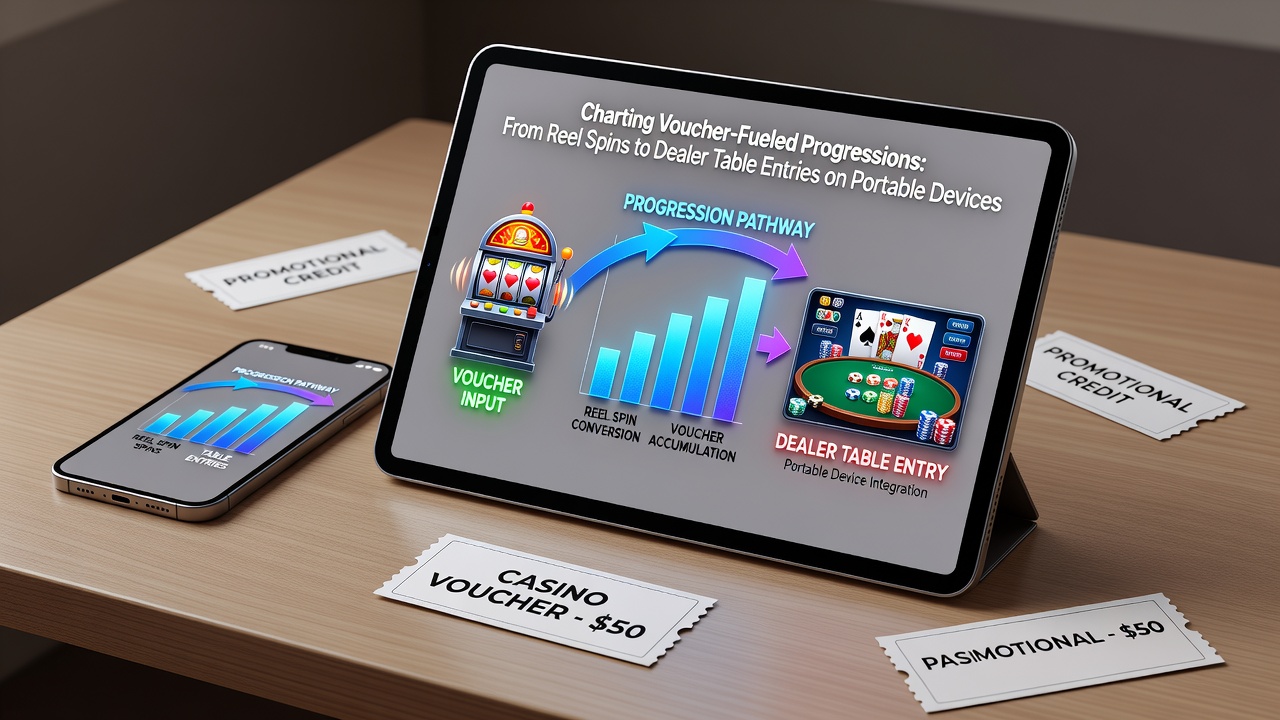
Portable gaming platforms have developed integrated voucher systems that allow users to move accumulated credits from reel-based games directly into live dealer sessions without separate funding steps, and these mechanisms rely on instant balance transfers that maintain session continuity across different game formats. Data from industry tracking services indicates that such transitions occur most frequently during peak evening hours when mobile traffic spikes, and operators have refined their backend processes to support these shifts in under three seconds on average.
Voucher Integration Basics
Vouchers function as prepaid credit tokens that users redeem through mobile apps or browser interfaces, and once activated they appear as unified balances that support both automated reel spins and manual table entries. Research from the Nevada Gaming Control Board shows that voucher redemptions on handheld devices increased by 18 percent in the first half of 2026, while transaction logs reveal that most players apply these credits across multiple game categories within a single session. The process begins when a user selects a voucher code at the deposit screen, after which the system allocates the value across available game libraries without requiring additional verification steps in many jurisdictions.
Operators implement these systems through standardized APIs that connect slot engines with live dealer platforms, and this connectivity enables real-time balance updates that prevent interruptions during switches. According to reports compiled by the Australian Communications and Media Authority, voucher-funded accounts demonstrate higher retention rates because players encounter fewer barriers when exploring new game types on the same device.
Progression Mechanics on Mobile Screens
Reel spin accumulations build through standard payline wins and bonus triggers, after which the same credit pool becomes available for live dealer wagers once a player selects the table section of the app. The transition interface typically displays a progress bar or balance summary that updates automatically, and users confirm the move with a single tap that redirects them to the dealer stream without logging out. Observers note that these pathways often incorporate visual cues such as animated transfers or highlighted voucher icons that guide attention toward the next available option.
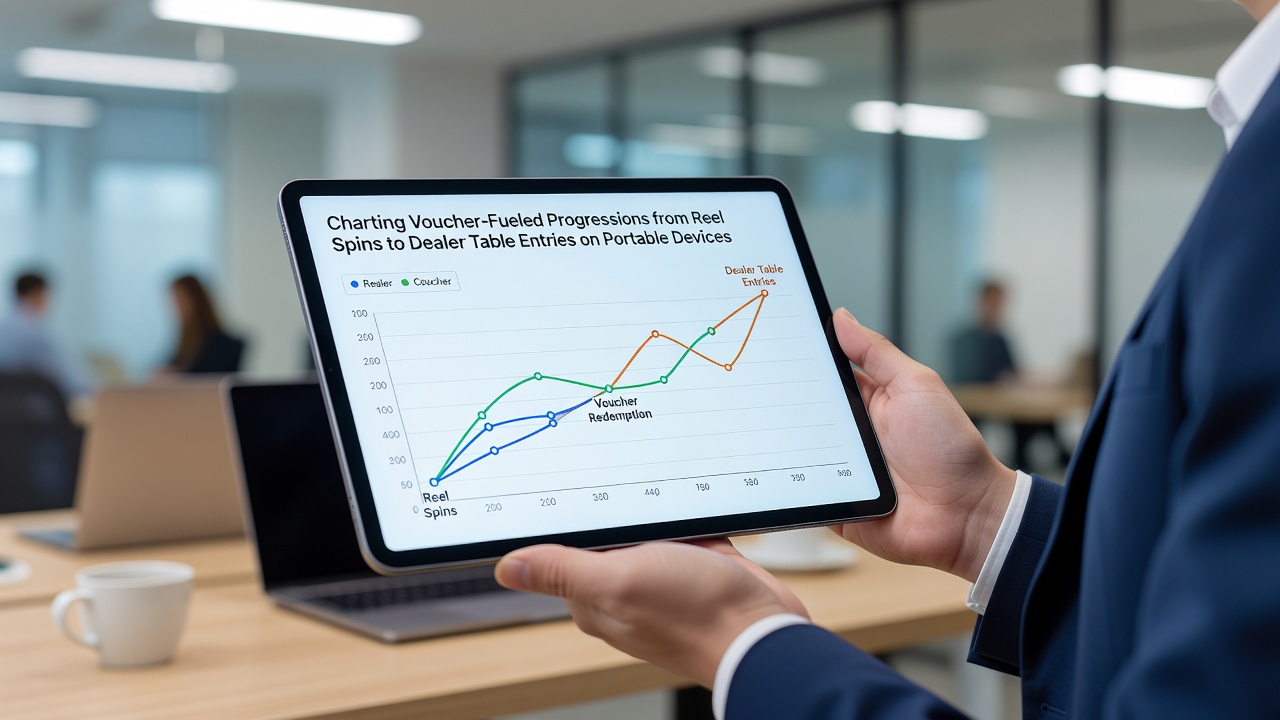
Live dealer entries require the same credit verification as slot play, yet voucher systems bypass repeated authorization by maintaining an active session token across both environments. Figures released by the European Gaming and Betting Association in June 2026 documented that mobile users completed an average of 2.4 game-type switches per hour when voucher balances remained above a set threshold, suggesting that the funding method itself encourages continued play rather than session endings.
Technical Requirements and Security Layers
Device compatibility remains essential because voucher transfers depend on stable connections and updated software versions that support encrypted data packets between the player and the game servers. Developers incorporate multi-factor checks during initial voucher activation, while subsequent movements within the same session rely on session cookies that expire after inactivity periods defined by each operator. Studies conducted by academic researchers at the University of Nevada, Reno have examined latency patterns and found that optimized networks reduce transfer times by up to 40 percent compared with older routing methods.
Regulatory frameworks in multiple regions require operators to log every voucher movement for audit purposes, and these records help identify patterns that may indicate unusual activity without restricting legitimate player choices. The same logs also feed into responsible gaming tools that can flag rapid switches between game categories when they exceed typical usage durations.
Player Behavior Patterns
Usage data collected across several platforms indicates that voucher holders tend to start with reel-based games before moving to live tables, and the reverse sequence appears less common. This directional preference aligns with the lower entry stakes often available on slots, which allow players to build balances before committing to table minimums. Case examples shared by platform analysts show that sessions incorporating at least one voucher transfer last 25 percent longer on average than those funded through direct card payments alone.
Seasonal spikes occur around major sporting events when promotional vouchers become more widely distributed, and these periods coincide with increased live dealer traffic on mobile networks. The pattern suggests that the availability of prepaid credits influences not only funding volume but also the specific sequence of games that users select during extended play windows.
Conclusion
Voucher systems continue to evolve as operators refine the technical connections between reel and table environments on portable devices, and ongoing data collection from regulatory bodies and industry groups supports further optimization of these pathways. The documented increase in cross-format play demonstrates that unified credit mechanisms can streamline user experiences while maintaining compliance requirements across different jurisdictions.