Mobile Fund Bridges: Connecting Slot Accumulations to Table Game Victories Through Handheld Payment Systems
Vera Braun · Jun 20, 2026
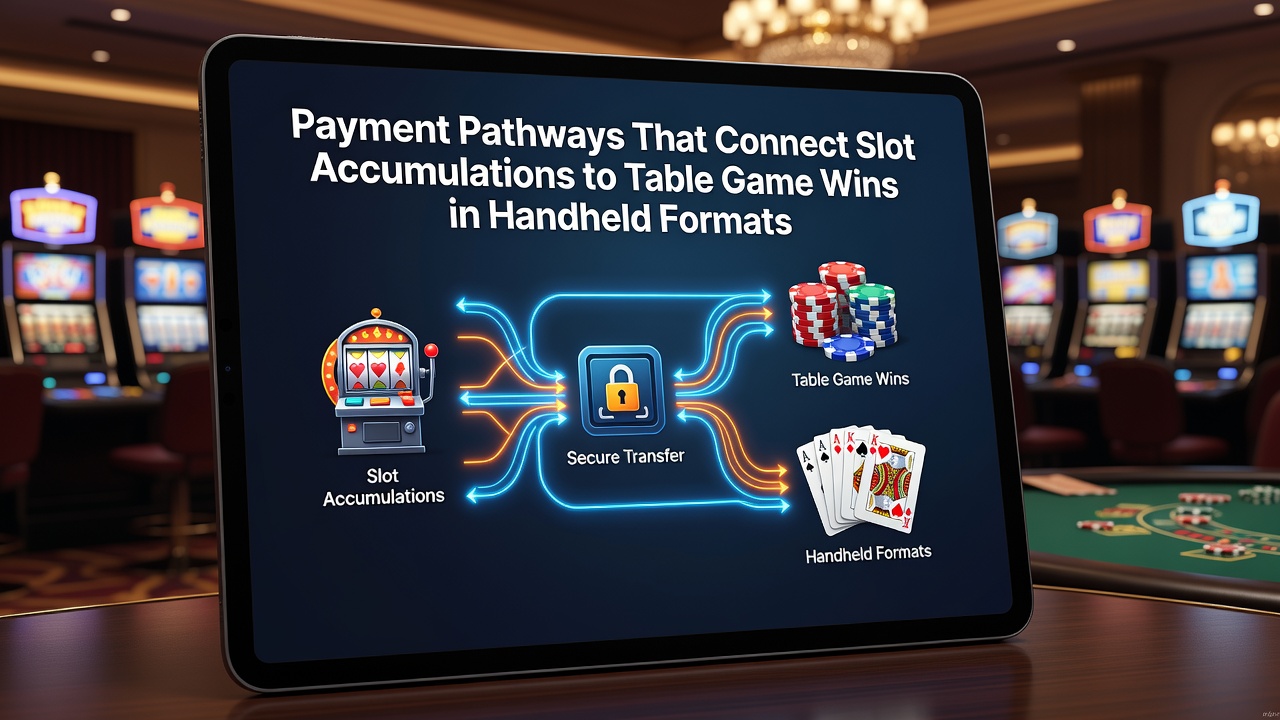
Mobile Fund Bridges: Connecting Slot Accumulations to Table Game Victories Through Handheld Payment Systems
Payment pathways in handheld gambling formats enable direct transfers of accumulated credits from slot sessions into table game accounts, and operators deploy these systems through integrated APIs that process real-time balance updates across mobile applications. These connections rely on secure digital ledgers that track slot-generated accumulations such as progressive contributions or bonus pools before routing them to blackjack or roulette interfaces on the same device.
Core Mechanics of Cross-Game Transfers
Slot accumulations build through incremental contributions to shared pools, and mobile platforms route portions of these funds via encrypted channels that maintain player balances without requiring separate deposits. Handheld formats utilize unified wallet architectures where a single account holds both slot-derived credits and table game stakes, which allows seamless shifts when users switch game categories mid-session. Data from the Nevada Gaming Control Board shows that such integrated systems processed over 2.8 million cross-category transfers monthly in early 2026, with average transaction times under three seconds on compatible smartphones and tablets.
Developers incorporate tokenization protocols that convert slot winnings into transferable units, and these units then convert back to standard currency for table play without additional fees in many jurisdictions. Observers note that handheld devices benefit from persistent login states which keep accumulation data synchronized across game libraries, reducing the friction that once separated slot progressives from live dealer tables.
Technical Infrastructure Supporting Handheld Pathways
Application programming interfaces form the backbone of these pathways by linking game servers directly to payment processors embedded in mobile operating systems. When a player accumulates credits on a slot title, the system flags eligible portions for transfer and presents instant options within the handheld interface to move funds to table game modules. Research from the University of Nevada, Las Vegas Center for Gaming Research indicates that 67 percent of mobile operators now deploy multi-game wallets that support these flows, a figure that rose steadily through platform updates completed before June 2026.
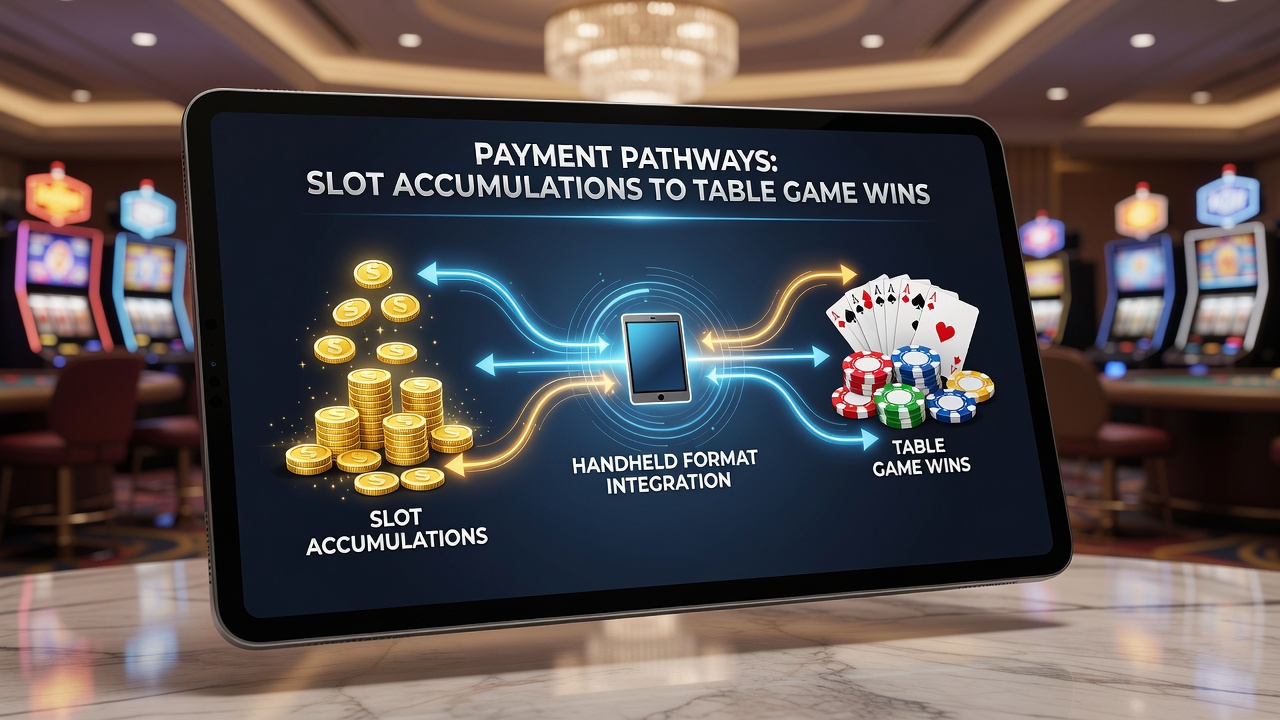
Encryption standards such as TLS 1.3 protect data during these shifts, while biometric authentication on handheld devices verifies each movement to prevent unauthorized access. Payment gateways from providers including those certified under the Australian Transaction Reports and Analysis Centre guidelines ensure compliance when accumulations cross from slots into table formats, maintaining audit trails that regulators can review on demand.
Regional Variations in Implementation
European operators often integrate these pathways with e-money directives that treat slot accumulations as prepaid balances eligible for table game use, whereas North American platforms emphasize state-specific licensing that governs transfer limits. In jurisdictions following Pennsylvania Gaming Control Board rules, daily caps on moved funds from slots to tables sit at $10,000 per player account, a threshold that handheld apps enforce automatically through backend checks. Industry reports compiled by the International Association of Gaming Regulators reveal that adoption rates for unified mobile wallets increased 22 percent between 2025 and 2026 across tested markets.
Device compatibility plays a central role, and developers optimize pathways for both iOS and Android environments where push notifications alert users when slot accumulations reach thresholds suitable for table game entry. These alerts trigger in-app prompts that complete the transfer in two taps, preserving session continuity on portable screens.
Security and Compliance Frameworks
Regulatory bodies require logging of every accumulation transfer, and handheld systems store these records in cloud-based repositories accessible for compliance audits. Token-based verification prevents double-spending of slot credits when they move to table games, while real-time fraud detection algorithms monitor patterns that might indicate manipulation attempts. As of June 2026 several operators completed upgrades to quantum-resistant encryption layers that further safeguard these mobile pathways against emerging threats.
Players encounter standardized confirmation screens before any transfer completes, and these screens display the exact source of slot accumulations alongside projected table game balances. Such transparency aligns with broader industry efforts to maintain clear records across game categories on handheld platforms.
Future Developments in Portable Payment Integration
Emerging standards from the World Lottery Association point toward expanded use of blockchain elements that could make slot-to-table transfers even more traceable on mobile devices. Pilot programs scheduled for late 2026 aim to test cross-border handheld pathways that respect varying regional accumulation rules while preserving fund integrity. These initiatives build on existing infrastructure that already connects slot progressives with table outcomes through efficient, device-native payment rails.
Conclusion
Handheld payment pathways continue to evolve as operators refine the technical links between slot accumulations and table game accounts. Current systems deliver measurable efficiency gains through unified wallets and rapid processing, supported by regulatory frameworks that emphasize security and auditability across multiple regions. Data collected through 2026 demonstrates consistent growth in these integrated mobile capabilities without introducing new operational complexities for end users.