Mapping Fund Transfers from Electronic Vouchers to Multiplayer Gaming Platforms
Frankie Carter · Jul 1, 2026

Mapping Fund Transfers from Electronic Vouchers to Multiplayer Gaming Platforms
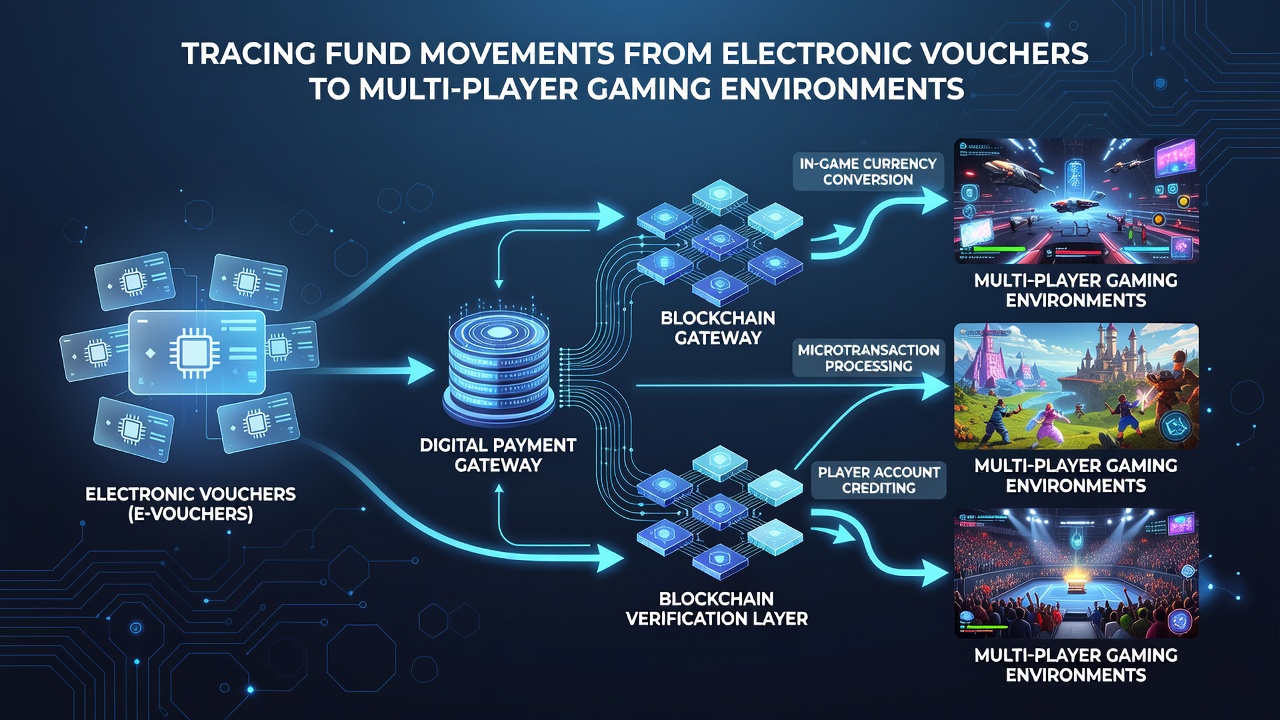
Electronic vouchers serve as prepaid instruments that convert cash or bank transfers into digital credits usable across online platforms, and these mechanisms now feed directly into multiplayer gaming environments where multiple participants interact in real time. Financial trails begin when a user purchases a voucher through retail outlets or authorized digital distributors, after which unique codes activate account balances on gaming servers. Transaction records capture each step from issuance to redemption, creating audit paths that operators and regulators examine for compliance purposes.
Voucher Issuance and Initial Funding Steps
Retail networks and online portals generate vouchers in fixed denominations, and these codes link to centralized databases maintained by payment processors. Once activated the funds move into player wallets that support multiplayer sessions, whether those involve competitive tournaments or cooperative campaigns. Data logs record timestamps, voucher serial numbers, and originating merchant identifiers, which allows downstream systems to match deposits against gameplay activity. Researchers at academic institutions have documented how such ledgers reduce anonymous cash handling while maintaining speed for users who prefer not to share banking details directly with game operators.
Integration with Multiplayer Account Systems
Game platforms receive voucher credits through secure APIs that verify codes against issuer databases before updating player balances. In environments supporting dozens or hundreds of simultaneous users, these credits enable entry into paid tournaments or item purchases that affect shared economies. Observers note that reconciliation processes run continuously so operators can trace any balance back to its voucher origin even after multiple transfers between player accounts. Software tools flag unusual patterns such as rapid voucher redemptions followed by large in-game transfers, and these alerts feed into broader monitoring frameworks used by compliance teams.
Regulatory Frameworks Across Regions
Authorities in various jurisdictions require operators to retain voucher transaction data for set periods, and reporting obligations cover both aggregate volumes and individual high-value movements. Canadian provincial regulators, for instance, mandate detailed logs that link voucher funding to player activity within licensed interactive gaming systems, while similar provisions appear in Australian state legislation governing online wagering platforms. Industry reports from the Australian Gambling Research Centre outline how standardized data formats help authorities cross-reference voucher flows with tax and anti-money-laundering requirements. Technical standards developed by international gaming associations further specify encryption protocols that protect voucher code transmission without impeding real-time balance updates during multiplayer events.
Technical Tracing Mechanisms
Blockchain-based verification layers have appeared in some systems, where each voucher redemption creates an immutable entry visible to authorized auditors. Traditional database approaches still dominate, however, because they integrate more readily with existing multiplayer server architectures that prioritize low latency. Analysts track sequences that begin with voucher activation, move through wallet top-ups, and continue into in-game economies where virtual goods change hands between participants. When disputes arise or regulatory reviews occur, these chained records allow reconstruction of fund origins without requiring direct access to every intermediate player action.
Challenges in Cross-Border Movements
Multiplayer platforms often host users from multiple countries, which introduces complexity when voucher issuers operate under different licensing regimes. Currency conversion steps and varying tax treatments require additional reconciliation layers that operators build into their back-office systems. Data shows that July 2026 deadlines set by several European member states will require enhanced reporting on voucher-funded transactions that cross into live multiplayer environments, prompting software vendors to release updated modules ahead of those dates. Those who've studied implementation timelines note that early adoption of standardized APIs reduces the risk of reporting gaps during the transition period.
Case Examples from Platform Operators
One European operator implemented a unified ledger that automatically associates each voucher code with a player identifier at the moment of redemption, and this change improved response times during routine compliance audits. Another North American platform introduced real-time alerts that notify internal teams when voucher volumes exceed thresholds tied to specific multiplayer game modes. These adjustments align with guidance issued by the Nevada Gaming Control Board on digital payment traceability, and similar practices appear in documentation released by provincial bodies in Canada. The resulting datasets support both operational reviews and external examinations without interrupting ongoing gameplay sessions.
Future Developments in Audit Capabilities
Advances in data analytics allow faster matching of voucher origins to downstream multiplayer activity, including transfers that occur between player-controlled accounts. Machine learning models trained on historical transaction sets now assist in identifying outlier patterns that merit closer review, and vendors continue to refine these tools in response to evolving platform architectures. Industry groups have published technical papers that compare the effectiveness of various reconciliation methods across different scales of user participation. Continued refinement of these processes supports the broader objective of maintaining transparent fund flows while preserving the interactive nature of multiplayer environments.
Conclusion
Electronic voucher systems supply a documented entry point for funds that ultimately support multiplayer gaming activity, and the combination of issuer logs, platform APIs, and regulatory reporting creates traceable pathways from initial purchase through in-game utilization. Jurisdictions continue to update requirements around data retention and cross-border reconciliation, with several measures scheduled for mid-2026. Operators that maintain integrated record-keeping practices meet these obligations while supporting seamless player experiences across competitive and cooperative game formats.