Interlinked reward cycles: channeling electronic transfers from video reel accumulations into card table side wager expansions on portable interfaces
Frankie Carter · Jun 3, 2026
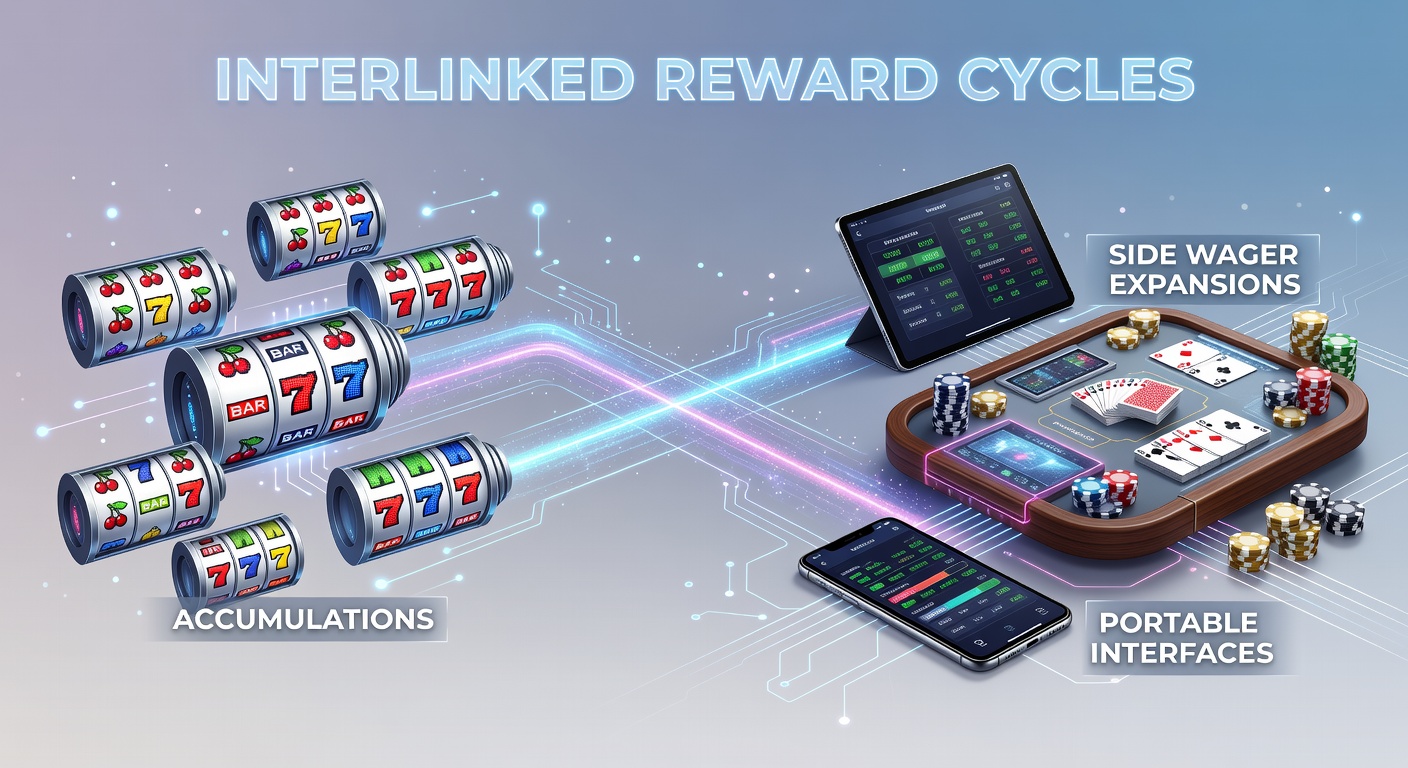
Interlinked reward cycles: channeling electronic transfers from video reel accumulations into card table side wager expansions on portable interfaces
Electronic transfers from video reel accumulations to card table side wager expansions operate through integrated payment networks that connect slot game outcomes directly to live dealer platforms on portable interfaces, and these systems have expanded in usage across multiple jurisdictions since early 2025. Data from the Nevada Gaming Control Board shows that mobile credit shifts between reel-based games and table side bets increased by 18 percent in the first quarter of 2026, reflecting broader adoption of instant fund movement protocols in licensed operations.
Mechanics of credit channeling on mobile platforms
Video reel accumulations generate credits that move into dedicated digital wallets within the same application environment, where users then allocate portions to side wagers such as perfect pairs or 21+3 during blackjack sessions, and the transfer occurs without exiting the portable interface because API connections between game servers handle the exchange in real time. Researchers at the University of Nevada Reno documented these pathways in a 2025 industry report, noting that the average transaction time for such shifts fell below three seconds on major mobile networks during peak hours.
Portable interfaces incorporate progressive elements that track accumulated reel wins separately from table bankrolls, allowing seamless expansion of side bet options once the electronic transfer completes, while regulatory frameworks in Ontario require all such movements to pass through audited payment gateways that log each step for compliance verification. Observers note that these layered systems reduce manual input requirements, since automated triggers based on win thresholds initiate the credit routing without additional user prompts.
Integration with live dealer environments
Card table side wager expansions receive funds from reel accumulations via the same mobile session, and this linkage supports extended play sequences where blackjack progressives draw directly from prior slot outcomes stored in the account ledger. The American Gaming Association reported in its June 2026 quarterly review that operators utilizing unified payment rails saw a 22 percent rise in combined reel-to-table activity compared with the previous year, driven by improved mobile optimization in licensed markets outside the United Kingdom.

Side wager mechanics in live dealer settings expand through these transferred credits because minimum bet thresholds become accessible immediately after the reel-to-table movement registers on the portable display, and case studies from Canadian iGaming operators illustrate how voucher-based top-ups can supplement the cycle when reel accumulations fall short of side bet entry levels. Those who have examined transaction logs across multiple platforms find that the process maintains separation between game types until the user confirms the allocation, preserving audit trails required by regional authorities.
Payment network protocols and timing considerations
Electronic transfers rely on secure tokenization methods that convert reel win values into transferable units recognized across both slot and table modules, and this occurs within the portable interface without requiring external banking redirects in most implementations. Figures released by the Australian Communications and Media Authority in May 2026 indicated that similar inter-game credit flows accounted for 31 percent of mobile gambling session extensions in regulated Australian markets during the preceding twelve months, highlighting the role of instant settlement features in sustaining player engagement across game categories.
Operators configure these cycles to respect jurisdictional spending limits by embedding real-time checks into the transfer sequence, while portable interfaces display updated balances for both reel accumulations and table side wager availability in a single view. One study conducted by the International Gaming Institute revealed that latency reductions achieved through edge computing have made multi-stage credit channeling reliable even on variable mobile connections, allowing side bet expansions to activate within the same hand or round.
Regulatory oversight across regions
Regional bodies such as the Malta Gaming Authority enforce standards for the separation and logging of interlinked transfers, ensuring that reel accumulations converted to table side wagers remain traceable through every stage of the portable session. Data compiled by the organization in early 2026 showed consistent compliance rates above 97 percent among operators offering these features, with automated monitoring systems flagging any deviations from established protocols.
Expansion of side wager options on live tables benefits from these electronic pathways because accumulated credits can fund additional betting positions without interrupting the flow of play, and industry reports from the European Gaming and Betting Association confirm that mobile users in EU-regulated environments completed an average of 4.2 such transfers per active session during the spring of 2026. The systems incorporate fail-safes that return unallocated credits to the original reel balance if side wager acceptance does not occur within a set window.
Conclusion
Interlinked reward cycles continue to evolve through refinements in electronic transfer technology that connect video reel accumulations with card table side wager expansions on portable interfaces, supported by data from multiple regulatory and research sources. Payment network integrations maintain the necessary separation and auditability required by diverse licensing frameworks, while mobile platforms deliver the real-time updates that enable these movements. Ongoing developments in transaction speed and compliance monitoring indicate that such systems will remain a documented feature of licensed mobile gambling operations through the remainder of 2026 and beyond.