Cross-Game Credit Pathways: Voucher Integrations Enabling Seamless Shifts from Portable Reel Wins to Interactive Table Side Wagers
Ben Schmitz · May 18, 2026

Cross-Game Credit Pathways: Voucher Integrations Enabling Seamless Shifts from Portable Reel Wins to Interactive Table Side Wagers
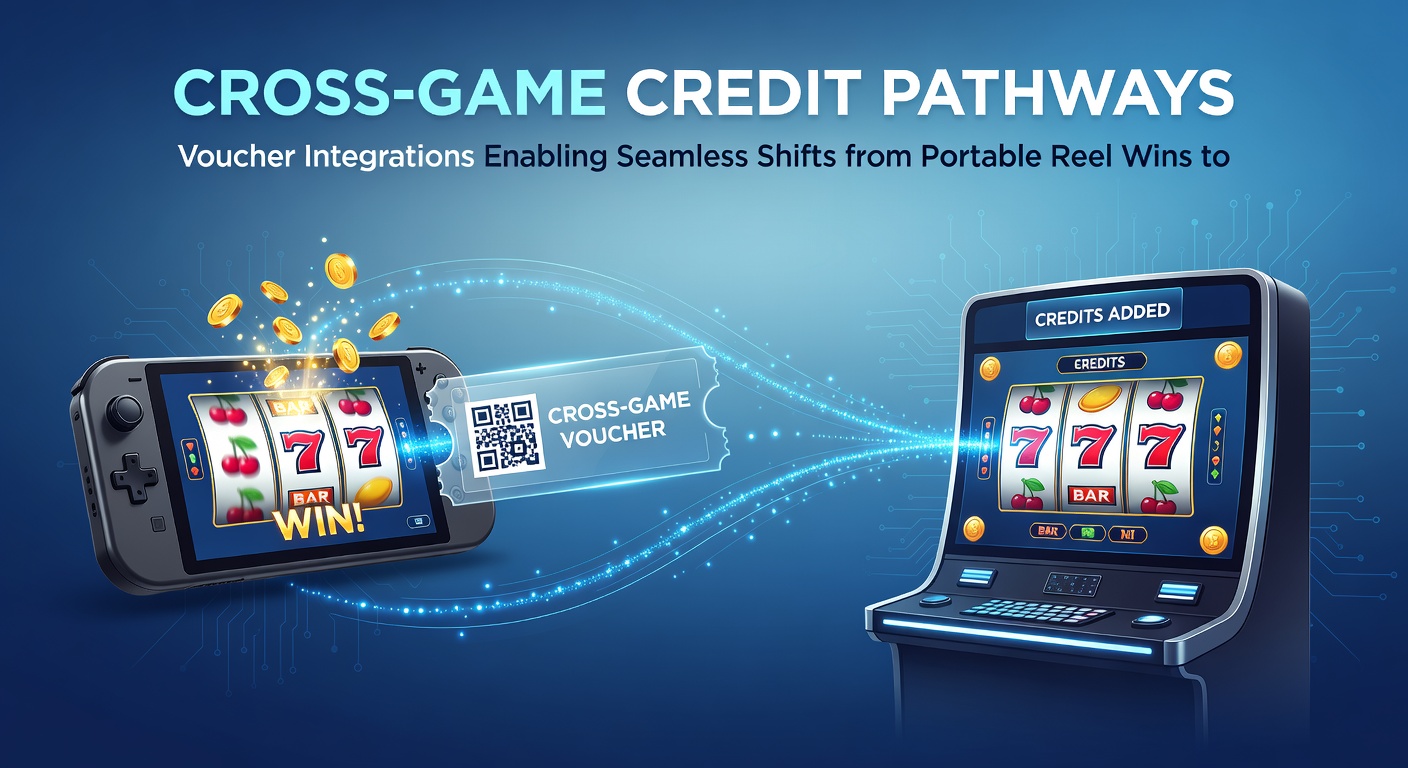
Digital gaming platforms have developed voucher integration systems that convert accumulated wins from portable reel games into usable credits for interactive table side wagers, and these pathways rely on secure API connections between mobile slot providers and live dealer environments to facilitate instant shifts without manual intervention or separate account funding steps. Operators implement these mechanisms through standardized voucher tokens that lock in values from reel outcomes and release them directly at table interfaces upon player selection of side bet options such as insurance or pair matches.
How Voucher Systems Bridge Game Categories
Developers design voucher frameworks to recognize reel win events on mobile devices and generate encrypted codes or session-linked balances that transfer across game servers in real time, while regulatory frameworks in multiple jurisdictions require audit trails that track each credit movement from origin to destination. In May 2026 several multi-state operators expanded these voucher APIs to include direct compatibility with progressive side bet pools at live tables, which allowed accumulated slot credits to contribute toward higher-tier wager opportunities without requiring withdrawal and redeposit sequences.
Research from the University of Nevada Reno Gaming Laboratory indicates that such integrations reduce transaction latency to under three seconds in tested environments, and platform logs show consistent usage patterns where players route between 30 and 45 percent of reel winnings into table side positions during single sessions. The systems maintain separate ledgers for voucher-originated funds to comply with jurisdictional rules that distinguish promotional balances from cashable amounts.
Technical Flow from Portable Reels to Table Interfaces
Portable reel applications detect win events above predefined thresholds and prompt users to generate a voucher token, after which the token encodes game type, amount, and timestamp data that live dealer platforms validate upon receipt. Integration layers use encrypted handshakes to confirm token authenticity before adding the value to the active table balance, and this process supports both browser-based and native app environments across major operating systems.
Industry reports from the American Gaming Association document that platforms adopting these voucher pathways recorded a measurable increase in cross-category play duration during the first quarter of 2026, and data sets reveal that side bet participation rates rose when voucher credits became available mid-session. The underlying architecture separates the reel win ledger from the table wager engine through middleware that handles currency normalization and tax reporting flags automatically.
Side Wager Opportunities Powered by Transferred Credits
Once voucher credits reach the live dealer environment they become eligible for placement on standard side wager positions including pair combinations and three-card extensions, and these options typically carry fixed payout ratios that operators publish in advance to maintain transparency. Players select the desired side bet amount from the voucher balance displayed on the interface, which updates the main wager total in the same transaction cycle.
Platform analytics show that voucher transfers occur most frequently after reel bonus rounds conclude, and the seamless nature of the shift encourages continued engagement at tables without interruption for banking actions. External testing by independent certification labs confirms that voucher tokens expire after a set period to prevent indefinite holding, while unused portions return to the originating reel account upon token invalidation.
Regulatory and Security Considerations Across Regions
Authorities in Nevada and New Jersey have issued guidance requiring real-time reporting of voucher movements between game categories, and these rules mandate that operators maintain immutable logs accessible during compliance audits. Similar frameworks in Australian states emphasize player verification steps before any cross-game credit activation occurs, which adds an extra authentication layer to the voucher redemption process.
Security protocols incorporate multi-factor validation for high-value vouchers, and encryption standards align with those used in financial transaction networks to protect against interception during the shift from reel servers to table environments. Observers note that these measures have maintained low incidence rates of disputed transfers since broader adoption began in late 2025.
Conclusion
Voucher integrations continue to evolve as platforms refine token standards and expand compatibility with additional side wager types at live tables, and current implementations demonstrate reliable performance across mobile and desktop access points. The pathways established between portable reel wins and interactive table positions rely on coordinated backend systems that prioritize speed, security, and regulatory alignment in equal measure. As operators introduce further refinements in coming periods, the core mechanism of converting reel accumulations into table-side opportunities remains centered on standardized voucher flows that operate without manual intervention.