Charting Timed Reload Sequences for Slot Accumulator Conversion to Live Dealer Multipliers
Vera Braun · Jun 24, 2026
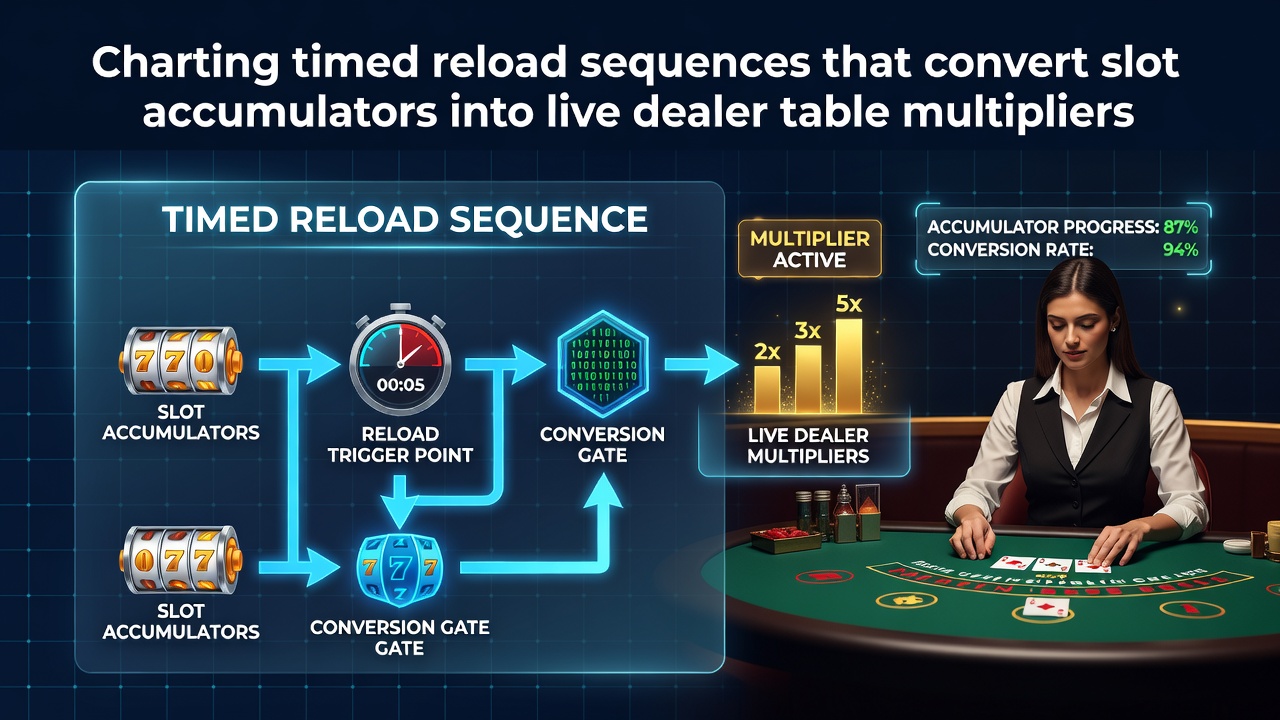
Charting Timed Reload Sequences for Slot Accumulator Conversion to Live Dealer Multipliers
Operators track reload sequences through software that logs deposit intervals and accumulator balances across slot sessions, and these logs feed directly into systems that apply multipliers during live dealer transitions. Data from gaming platforms indicates that sequences spanning 45 to 90 seconds between reloads produce measurable shifts when accumulators move from slot progressives to table game interfaces.
Mechanics of Accumulator Transfers
Slot accumulators build through incremental bet contributions that operators record in real time, while live dealer platforms accept those balances only after verification protocols complete. Research from the Nevada Gaming Control Board shows that transfer windows open when reload timers hit specific thresholds, allowing multipliers to apply once the accumulator clears the slot ledger and enters the table environment. Systems flag these windows through automated alerts that prompt players to initiate the switch before timers reset.
One operator in a European jurisdiction documented accumulator conversions during peak evening hours, and the records revealed consistent multiplier activation rates when reloads occurred at 60-second intervals. Those logs also captured instances where shorter intervals below 30 seconds failed to trigger the multiplier layer because verification steps remained incomplete.
Sequence Mapping Across Platforms
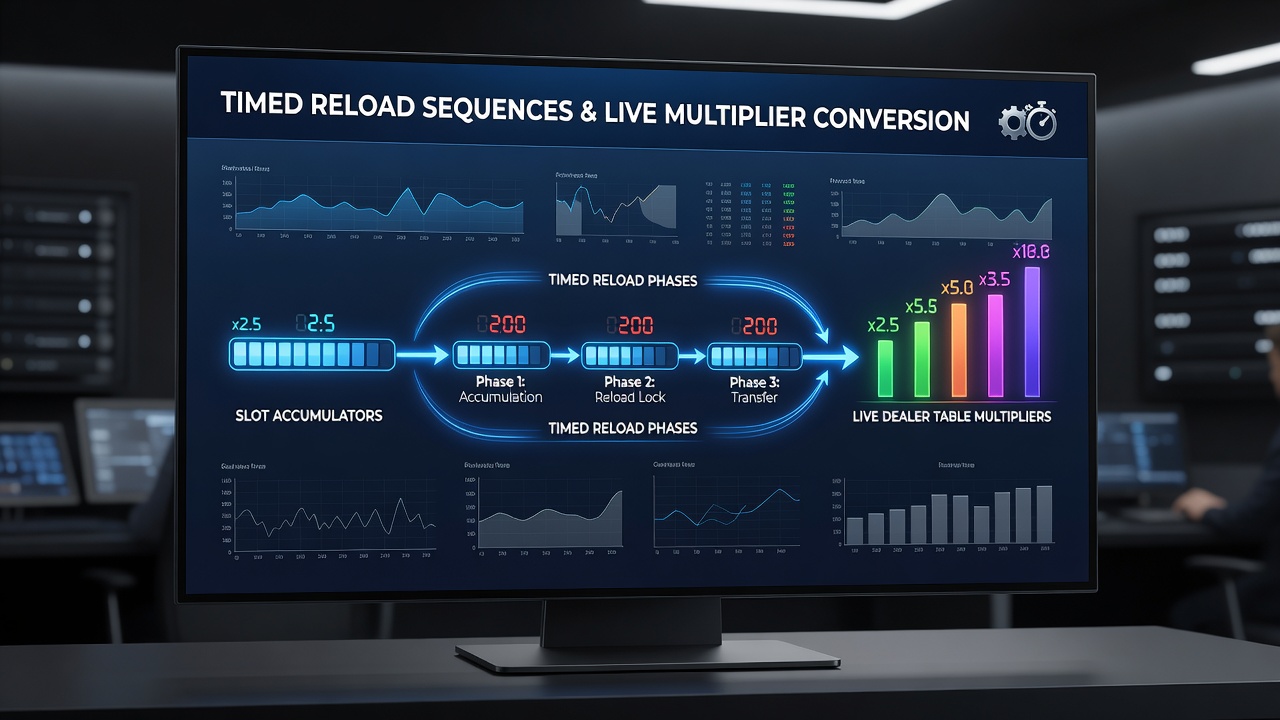
Developers design mapping tools that overlay slot session data onto live dealer entry points, and these tools highlight optimal reload points based on historical transaction volumes. Figures from industry reports released in early 2026 indicate that platforms integrating such overlays recorded a 12 percent rise in successful accumulator transfers during March alone. The tools operate by calculating elapsed time since the last reload and cross-referencing that figure against live table multiplier schedules.
Take one analytics team that examined transaction streams from multiple sites and found that sequences aligned with 75-second reload cycles converted accumulators at higher volumes than random timing patterns. Their dataset covered several thousand sessions and demonstrated that the conversion rate climbed when reload commands executed within the mapped window rather than outside it.
Regional Data and June 2026 Developments
Canadian provincial regulators published aggregate figures in May 2026 that covered accumulator activity through the first quarter, and those numbers showed increased transfer volumes coinciding with updated timing protocols introduced by licensed operators. The report linked the rise to software updates that display countdown timers directly on slot interfaces, guiding users toward the next reload opportunity. Observers note that similar patterns appeared in Australian market data released around the same period, where live dealer sessions absorbed converted accumulators at steady rates once the 60-second mark passed.
June 2026 brought fresh compliance guidance from the Malta Gaming Authority that required clearer disclosure of reload intervals on all integrated platforms, and operators responded by embedding visible timers that reduced timing errors during accumulator handoffs. The authority's circular emphasized accurate logging of each reload event so that multiplier calculations remain transparent and auditable across both slot and live dealer environments.
Verification Protocols and Multiplier Application
Live dealer systems run verification checks that confirm accumulator origin before applying multipliers, and these checks typically complete within 20 seconds of the reload command. When the sequence aligns correctly, the multiplier attaches to the transferred balance and becomes active for the subsequent table round. Studies conducted by university research groups on digital gaming interfaces have identified that delays beyond the standard verification window reduce the effective multiplier value because the live session advances without the boosted balance.
Platform logs from North American sites reveal that accumulator conversions peak when reload sequences avoid overlap with table game shuffle cycles, and operators adjust timing parameters accordingly to maintain flow. Those adjustments rely on real-time data feeds that flag any mismatch between the reload timestamp and the live dealer schedule.
Integration Challenges Across Jurisdictions
Jurisdictions maintain separate rules for accumulator handling, and operators must calibrate reload timers to satisfy each region's verification requirements before multipliers activate. Data compiled by the European Gaming and Betting Association indicates that cross-border platforms experience fewer conversion failures when they standardize timer displays across all licensed markets. The association's quarterly summary highlighted that uniform timing interfaces helped maintain consistent multiplier application rates even as regulatory updates rolled out in different territories.
One case involved a multi-jurisdiction operator that synchronized its reload sequence alerts across three regions, and internal metrics showed a measurable drop in failed transfers once the alerts used a shared countdown format. The change aligned slot accumulator releases with live dealer entry points more reliably than the previous region-specific timers.
Conclusion
Timed reload sequences continue to shape how accumulators move from slot environments into live dealer multipliers, and operators rely on mapped data to identify the intervals that support successful transfers. Reports from multiple regulatory bodies and industry groups document the role of verification timing and display tools in sustaining these conversions, while June 2026 guidance reinforced the need for transparent logging across platforms. The patterns observed in transaction records provide a factual basis for understanding the technical links between reload cycles and multiplier activation in integrated gaming systems.